Have you ever wondered what the future of design will look like? From self-driving cars to holographic displays, it's easy to get lost in the potential.
What's even more exciting is how designers are using today's cutting-edge technologies to create concepts that seem more like science fiction than reality.
But here's the thing—those futuristic ideas might not be as far off as you think. Let's explore how design and technology are merging to shape a new world of possibilities.
1. Smart Materials: Shaping Tomorrow's World
Imagine a building that changes color with the weather, or clothes that adjust to your body temperature. This is the power of smart materials. By using embedded sensors and materials that respond to their environment, designers are creating structures and products that are adaptable and interactive.
For example, researchers are working on "self-healing" concrete that repairs itself when it cracks. In fashion, there are already textiles that can change color based on light exposure. The ability of these materials to adapt to real-time conditions could drastically change how we think about everything from architecture to everyday wear.
Actionable Tip: Look out for upcoming smart material innovations in construction and fashion. If you're in a design field, consider experimenting with these materials to stay ahead of the curve.
2. Virtual Reality: Designing the Impossible
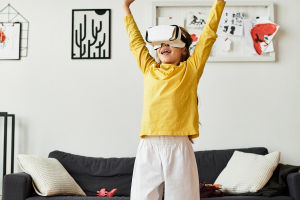
Virtual reality (VR) isn't just for gaming anymore. It's transforming how designers approach everything from product prototypes to architectural models. VR allows designers to immerse themselves in 3D environments before they build anything physically. This means fewer mistakes and a more intuitive design process.
Think about car designers, for instance. They can now “test drive” their designs in virtual worlds before even building a prototype. It's saving time, reducing costs, and opening up new possibilities for collaboration.
Actionable Tip: If you haven't already, start using VR tools in your design work. Software like Unreal Engine or SketchUp VR can help you visualize your ideas in a more immersive way.
3. AI-Powered Design: The Future of Creativity
Artificial intelligence is often seen as a tool that replaces jobs. But when it comes to design, it's more of a collaborator. AI can analyze vast amounts of data, predict trends, and even generate design suggestions. This helps designers make decisions based on patterns and insights that would be impossible to notice manually.
For instance, AI has been used to design optimized floor plans for buildings or recommend adjustments to color schemes for digital interfaces. While the final artistic touch still comes from the human designer, AI serves as a powerful assistant that opens up new creative avenues.
Actionable Tip: Explore AI-powered design tools such as Autodesk's generative design or Adobe's Sensei. They can help streamline your workflow and inspire new creative ideas.
4. 3D Printing: Bringing Fantasy to Life
One of the most exciting advancements in design is 3D printing. What was once a futuristic dream is now an everyday reality in design studios around the world. With 3D printing, designers can create intricate prototypes or even full-scale models of their designs in hours instead of weeks.
This technology is particularly game-changing in industries like architecture and healthcare. From prosthetic limbs to personalized jewelry, 3D printing is offering the ability to create objects that were once impossible to make by hand.
Actionable Tip: If you're working in product design or architecture, start experimenting with 3D printing to prototype your ideas quickly and cost-effectively.
5. Augmented Reality: Merging Real and Virtual Worlds
Augmented reality (AR) takes virtual elements and overlays them onto the real world. In design, this means clients can walk through a building before it's built or try on clothes virtually before they make a purchase. It enhances both the design process and the consumer experience.
The most notable example? IKEA's AR app that lets you visualize furniture in your home before you buy it. It's a perfect marriage of convenience and creativity, and it's a glimpse into what more industries could do with AR in the near future.
Actionable Tip: Think about how AR could improve customer engagement in your designs. Whether you're in retail or architecture, incorporating AR can create an interactive, engaging experience.
6. Robotics in Design: Precision and Efficiency
Robots are no longer just for manufacturing. In design, they're being used to create intricate, precise patterns in architecture, furniture, and even fashion. These robotic systems can replicate complex designs with accuracy and speed, which is especially useful in creating customized pieces.
For example, robots are being used in the production of custom furniture, where they carve unique patterns that would be nearly impossible to create by hand. These robots not only increase precision but also allow for a level of creativity that's limitless.
Actionable Tip: Robotics might seem far off, but companies like Kuka Robotics offer solutions that integrate automation into design. If you're aiming to streamline production, robotics can be a game-changer.
The intersection of design and futuristic technology offers endless possibilities. As designers, it's essential to stay ahead of these advancements and explore how they can elevate your work. The future is already here—are you ready to shape it?