Finding the perfect natural lipstick often feels much simpler than it should.
Beauty advice online sometimes suggests unusual tricks or elaborate theories about discovering the ideal shade. Some people claim the perfect natural color must match specific areas of the body, while others insist certain color tests reveal the answer instantly.
In reality, choosing a flattering “your lips but better” lipstick is much simpler. The best shades do not completely cover your natural lip color. Instead, they gently enhance it, adding a touch of depth and richness while still allowing your own lip tone to remain visible.
When done right, this type of lipstick creates the effect of naturally healthy, softly tinted lips—polished enough for work, yet relaxed enough for everyday wear. Understanding a few basic principles can make selecting this universally flattering shade surprisingly easy.
Why “Your Lips But Better” Works
The idea behind this style of lipstick is subtle enhancement rather than transformation. Instead of applying a bold or opaque color, the goal is to work with your natural lip tone.
1. Enhancing natural color
A good “your lips but better” shade slightly deepens the natural tone of your lips. The color appears richer but still looks completely natural.
2. Soft transparency
Many flattering shades are semi-transparent. This allows your natural lip color to show through a light veil of pigment, creating a more dimensional look.
3. Everyday versatility
Because the color remains subtle, these lipsticks work in many settings—from professional environments to relaxed days at home.
This balance between natural color and gentle enhancement is what makes the look so widely appealing.
Ignore Complicated Beauty Myths
Beauty trends often introduce complicated methods for finding the perfect lipstick shade. While they may sound interesting, they rarely simplify the process.
1. Unusual color-matching tricks
Some viral suggestions claim your perfect natural shade should match unexpected parts of the body. These ideas are entertaining but not especially practical.
2. Finger color tests
Another popular suggestion involves pinching your fingertip to observe the color change and using that tone as a guide. While creative, it often overcomplicates a simple choice.
3. Simpler logic
In most cases, the most flattering shade is simply one that looks like a slightly richer version of your own lip color.
By focusing on enhancement rather than strict rules, choosing the right lipstick becomes much easier.
The Power of Sheer Lip Colors
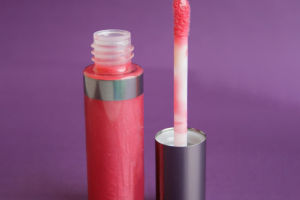
One of the most successful approaches to achieving a natural lip look is using sheer or lightly tinted formulas. These products provide color while maintaining softness and transparency.
1. Sheer lipstick formulas
These products deliver a wash of color instead of a heavy layer. They allow the natural tone of your lips to remain visible underneath.
2. Tinted balms and oils
Lightweight balms and lip oils combine hydration with subtle pigment, making them comfortable for daily wear.
3. Glossy finishes
A gentle shine can enhance the lips' natural texture and give them a healthy, fresh appearance.
Sheer formulas are especially popular because they adapt easily to different skin tones and lighting conditions.
Choosing the Right Tone
Although sheer lipsticks are forgiving, certain color families tend to create the most flattering “your lips but better” effect.
1. Berry-inspired tones
Soft berry shades can deepen the lips slightly while maintaining a natural appearance. These colors often look polished yet effortless.
2. Warm natural shades
Warm brown or caramel-based natural tones provide a realistic-looking enhancement, especially when paired with a glossy or balm texture.
3. Soft pink variations
Gentle pink tones can brighten the lips while still maintaining a subtle and wearable look.
The key is choosing shades that feel like a natural extension of your existing lip color rather than something dramatically different.
Avoid Overly Reactive Lip Colors
Some lip products claim to automatically adapt to your skin chemistry. While the idea sounds appealing, the results can sometimes be unpredictable.
1. Color-changing formulas
These products react with the skin's pH level to produce a deeper shade after application.
2. Unexpected color results
Instead of enhancing natural tones, these formulas often shift toward strong pink hues that may not suit everyone.
3. Less control
Because the color develops after application, it is harder to predict the final shade.
For many people, choosing a reliable tinted product offers a more consistent and flattering result.
Final Thoughts
The perfect “your lips but better” lipstick does not rely on complicated rules or unusual beauty tricks. Instead, it focuses on subtle enhancement—adding just enough color to make lips look naturally richer and healthier.
Lipsticks, tinted balms, and lightweight glosses are particularly effective because they allow the natural lip tone to remain visible while adding softness and dimension. By selecting shades that deepen your own lip color rather than completely covering it, the result feels effortless and versatile.
Ultimately, the best lipstick is the one that makes your lips look naturally vibrant while still feeling comfortable and easy to wear. When simplicity guides the choice, finding the ideal shade becomes far easier—and far more enjoyable.