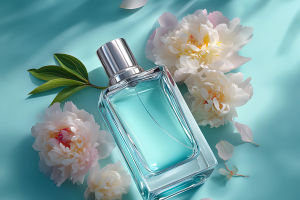
Fragrance isn't static. A scent that feels perfect at a restaurant on a Friday evening can feel completely wrong in a small meeting room on a Tuesday morning.
The difference isn't about the perfume being good or bad — it's about context. Once you understand what different occasions actually call for, choosing becomes a lot more intuitive.
Daily and Casual Wear: Light, Easy, Inoffensive
An everyday fragrance should feel like a second skin — something you can reach for without overthinking. The goal is a scent that's present without being noticed, pleasant without being polarizing. Fresh families work well here: citrus notes like bergamot and lemon, light florals like jasmine or rose, and clean aquatic elements all create that easy, approachable quality. The concentration matters too — an eau de toilette is typically lighter and fades faster, which is fine for casual wear where you're not trying to project strongly across a room.
The Workplace: Restrained Confidence
Office and professional environments have one key rule: your perfume should stay in your personal space, not fill the room. Anything too heavy, too sweet, or too sharp risks being distracting or even unpleasant in close quarters — especially in air-conditioned, enclosed spaces where scent can concentrate quickly. The best workplace fragrances have a subtle projection: they stay close to the skin, feel clean and polished, and give you a quiet sense of confidence without announcing your arrival three cubicles away. Woods with soft musk undertones, light florals, and fresh citrus all sit naturally in professional settings. Avoid heavy orientals, oud-forward fragrances, or anything with strong sweetness — they're built for evenings, not board meetings.
Date Night: Warmth and Proximity
This is where you can shift gears. Date-night fragrances are designed for proximity rather than projection — they're meant to be discovered up close, not broadcast across a restaurant. Warmth is the key quality: creamy vanilla, musk, sandalwood, and rich florals like jasmine and rose create that inviting, slightly sensual quality that makes people lean in. Heavier concentrations like eau de parfum make more sense here because the longevity and depth of the scent actually serve the context. The idea is that your fragrance should make someone want to stay near you — which requires something richer and more enveloping than what you'd wear to a Tuesday commute.
Reading the Room Beyond These Three
These aren't rigid rules. The underlying logic is understanding projection — how far your scent travels — and matching that to the space and social distance of the occasion. A casual brunch with friends sits closer to daily wear. A formal evening event earns a slightly bolder choice. The season also shifts the equation: heavy ambers and warm spices feel natural in cooler months, while light fresh scents breathe better in heat and humidity.
The practical starting point is to own at least two distinct fragrances — one light and versatile for daytime, one warmer and more present for evenings — and let the context decide which one you reach for.