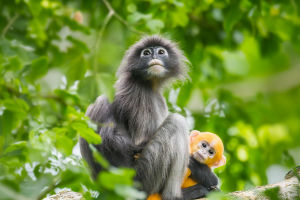
Today, we step into the world of rabbits and explore how these small animals manage to live so successfully in nature.
At first glance, they may look soft and calm, but behind that gentle appearance lies a set of impressive survival skills.
From fast movement to smart awareness of their surroundings, we will explore how we can better understand their behavior in a simple and clear way.
Quick Movement for Safe Escapes
One of the most noticeable abilities of rabbits is their fast movement. Their hind legs are strong and built for sudden bursts of speed. When danger appears, they can quickly push off the ground and accelerate in a short moment. In many natural environments, rabbits can reach very high speeds that help them avoid being caught.
What makes this even more interesting is their jumping skill. Instead of running in a straight line all the time, they often change direction suddenly while leaping over grass, small rocks, or uneven ground. This unpredictable movement helps them create distance and confusion for anything that might be chasing them.
Blending Into the Environment
Another important ability is their natural blending feature. The color of a rabbit’s fur often matches its surroundings. In sandy areas, their coat may appear light and soft in tone, while in green fields, it can be closer to earthy or muted shades.
This natural match helps them stay unnoticed when they remain still. Even when they are moving slowly, their appearance does not easily stand out. In addition to color, rabbits often stay close to plants, soil edges, or natural cover, making it harder for other animals to detect them quickly.
Highly Sensitive Awareness
Rabbits also have a strong awareness of what is happening around them. Their ears are long and flexible, able to rotate and pick up sounds from different directions. This allows them to detect even quiet movements in the distance.
Their sense of smell is also well developed. It helps them recognize food sources, especially plants and roots hidden under the surface. It also supports communication within their group, as they can identify familiar or unfamiliar scents. Together, these senses help rabbits stay alert and respond quickly when needed.
Efficient Food Processing
When it comes to eating habits, rabbits have a very effective system. Their teeth grow continuously and are shaped to help them cut and grind plant material. The front teeth handle cutting, while the back teeth help break food into smaller pieces.
Inside their body, the digestive processes are designed to extract as much nutrition as possible from plants. One special feature is that they can process certain soft droppings again to absorb extra nutrients. This repeated digestion helps them make better use of low-energy food sources found in nature.
Communication and Social Behavior
Although rabbits may sometimes appear quiet or distant, they do communicate in subtle ways. They use body movements, light contact, and small actions to express how they feel. For example, gentle nose touching can signal comfort, while quick foot tapping on the ground can warn others nearby.
In group settings, rabbits may also develop patterns of space sharing and interaction. These behaviors help maintain balance within their environment. During certain seasons, they show more activity in pairing and interaction, which supports the continuation of their population.
Growth and Population Rhythm
Rabbits are known for their strong ability to grow their population over time. Their development cycle is relatively short, and young rabbits can grow quickly under suitable conditions. This helps the population recover when environmental changes occur.
However, this natural rhythm also depends on food availability and living space. When conditions are stable, rabbit groups expand smoothly, but when resources change, their numbers adjust accordingly. This balance is part of how nature maintains harmony among different species.
A Closer Connection with Nature
As we look at these abilities together, we can see that rabbits are far more than simple, quiet animals. They combine speed, awareness, adaptation, and communication in a way that supports their survival in many environments.
Lykkers, after learning about these skills, we might start noticing rabbits in a new way. Have you ever observed one in a park or natural setting? What behavior stood out to you the most? By paying closer attention to these small details, we can build a deeper appreciation for the living world around us.