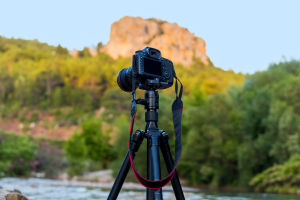
Photography is the art of transforming moments into powerful visual experiences. A memorable image is created through the combination of light, composition, timing, and creative vision.
While modern equipment offers advanced features, the photographer’s understanding and decisions are what give a photograph its impact.
Building photography skills requires curiosity, patience, and dedication. By learning to recognize details, control technical elements, and approach scenes from different perspectives, photographers can capture images that communicate emotion and meaning.
Understanding Light and Exposure
Light defines the mood, depth, and atmosphere of a photograph. Its direction, intensity, and quality influence how subjects appear and how viewers experience an image. Understanding shadows, reflections, highlights, and changing conditions helps photographers create more balanced results.
Exposure is also essential for controlling the final appearance of a photograph. Knowing how brightness, darkness, and detail work together allows photographers to achieve the desired effect while maintaining clarity and visual balance.
Creating Strong Composition
Composition shapes the way elements are arranged within a frame. A thoughtful arrangement creates balance, directs attention, and allows the main subject to stand out naturally.
Photographers can improve composition by studying lines, shapes, patterns, spacing, and perspective. Adjusting the camera angle, distance, or viewpoint can reveal fresh perspectives and turn simple scenes into engaging photographs.
Capturing Meaningful Moments
Timing plays an important role in creating memorable photographs. A brief expression, unexpected movement, or changing interaction between light and surroundings can transform an ordinary scene into something special.
Developing patience helps photographers observe situations carefully and recognize moments that carry emotion, energy, or visual interest.
Working With Different Environments
Every environment provides opportunities for creative photography. Weather, landscapes, and natural elements can add texture, atmosphere, and character to an image.
Cloudy conditions can create soft lighting, rain can produce reflections, and mist can add depth and mystery. Learning to adapt to different surroundings allows photographers to create distinctive images in various conditions.
Strengthening Technical Control
Technical knowledge helps photographers bring their creative ideas to life. Understanding focus, camera movement, and depth of field improves image quality and provides greater control over the final result.
By managing the relationship between the subject and background, photographers can guide attention and create photographs with stronger visual impact.
Developing a Personal Style
A photographer’s style reflects their unique way of seeing the world. Some photographers focus on emotions and human connections, while others explore landscapes, details, colors, or everyday scenes.
Finding a personal style requires experimentation and self-reflection. Reviewing previous work and exploring different approaches can help photographers discover their strengths and create a recognizable visual identity.
The Growth of Photography
Photography is a continuous process of learning, exploration, and creative expression. A skilled photographer does more than capture what is visible; they use light, composition, timing, and technique to communicate ideas and emotions.
With commitment and curiosity, photographers can continue developing their abilities and discover new ways to tell stories through images. Great photography begins with the ability to see ordinary moments from an extraordinary perspective.