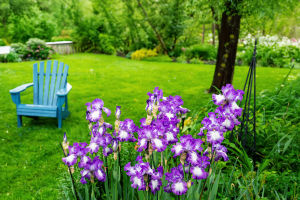
A garden seating area can look beautiful yet still feel like something is missing. Often, the difference between a basic outdoor setup and a truly inviting corner comes down to a few simple details.
Softer seating, natural shade, warm textures, surrounding greenery, and thoughtful lighting can make the space feel much more comfortable without requiring a complete makeover. The goal is to create a setting that encourages people to sit down, stay awhile, and enjoy the garden.
Start With Comfortable Seating
The seating is the foundation of a cozy outdoor area. A chair or bench should provide enough support for relaxing, reading, chatting, or enjoying a meal. Wooden chairs, lounge seats, and outdoor benches can all work, depending on the size and style of the garden.
If the existing furniture feels hard or plain, cushions can make an immediate difference. Choose outdoor-friendly fabrics that are easy to clean and suitable for changing weather. Layering a seat cushion with one or two smaller cushions can create a softer and more welcoming appearance.
Comfort should always come before decoration. A beautifully styled seating area will not be useful if the furniture is uncomfortable.
Add Soft Textures
Texture can make an outdoor space feel warmer and more relaxed. Woven baskets, outdoor rugs, cushions, and lightweight throws can introduce softness without making the garden look cluttered.
An outdoor rug can also help define the seating area, especially when furniture sits on a large patio or deck. Choose a size that fits beneath the main furniture without making movement difficult. Natural materials such as wood, wicker, woven fibers, and stone can work particularly well in gardens.
Use Plants for a Cozy Backdrop
Greenery can make a seating area feel more private and comfortable. Instead of leaving furniture exposed in an open section of the garden, surround it with a few carefully selected plants. Tall shrubs can create a natural background, while smaller plants can soften the edges of the seating area. Flowering plants can introduce seasonal color, and leafy varieties can provide a consistent green setting.
Create Shade and Shelter
Shade can make an outdoor seating area considerably more comfortable, particularly during bright summer days. If the garden already has a mature tree, positioning the seating beneath its canopy can provide natural protection from direct sunlight.
For areas without suitable natural shade, an umbrella, pergola, or canopy can provide additional coverage. A flexible option is useful when the seating area needs to adapt to different times of day.
Add a Small Side Table
A small table beside a chair or sofa can make the seating area more practical. It provides a convenient place for a book, cup, plate, glasses, or other small items. The table does not need to be large. A compact design is often enough, especially in a small garden. Choose a height that works comfortably with the seating and a material suitable for outdoor use.
Create a Sense of Privacy
A cozy seating area should feel slightly separate from the rest of the garden. Privacy does not necessarily require a tall fence. Plants, trellises, screens, or carefully positioned furniture can create a more sheltered feeling. Place taller greenery behind the seating rather than directly in front of it. This keeps the view open while providing a visual boundary.
Keep the Arrangement Relaxed
Avoid pushing too much furniture into the space. An area with fewer pieces and enough room to move can feel much more comfortable than one filled with accessories. Arrange chairs so people can easily face one another. If the area is mainly for reading or quiet relaxation, angle a chair toward the garden instead.
Making a garden seating area cozier does not require a major renovation. Comfortable furniture, soft textures, greenery, shade, gentle lighting, and a practical side table can transform the atmosphere with relatively simple changes.
Focus on creating a space that feels comfortable first and attractive second. When furniture is easy to use and the surrounding details support relaxation, even a modest garden corner can become a place worth returning to every day.